Back to School, Back to Routine: Helping Children Get Back on the Mat
Helping Children Get Back on the Mat

Back to School, Back to Routine: Helping Children Get Back on the Mat
The beginning of a new school year brings excitement, new teachers, new schedules—and a lot of adjustment. Even activities children love can feel harder to restart after the slower, less structured days of summer.
If your child is reluctant to return to class, you are not alone. It does not necessarily mean they have lost interest in martial arts. Often, their routine has simply been interrupted, and they need our help rebuilding it.
Why routines matter
Routines give children structure, predictability, and a clearer sense of what comes next. A 2024 systematic review examining 170 studies found that routines were generally associated with positive outcomes in children, including self-regulation, social-emotional development, academic skills, and mental and physical health. The researchers explained that predictable routines may help children focus and regulate themselves because they know what is expected of them.
Habits are also closely connected to familiar cues: the day, the time, the place, and the steps that come before an activity. Research on habit disruption shows that when the surrounding context changes, familiar behaviors can become less automatic. Summer vacation changes many of those cues. When school begins again, children are not only returning to the classroom; they are rebuilding their entire weekly rhythm.
This is why getting back to martial arts may require more support at first. The goal is not to create pressure or expect a perfect first week. It is to help the routine become familiar again.
Five simple ways to help your child return
1. Choose the training days in advance
Select two regular class days and place them on the family calendar. When martial arts has a specific place in the week, it becomes part of the routine instead of a decision the family must reconsider every afternoon.
Instead of asking, “Do you want to go to class today?” try saying, “Today is your martial arts day. Let’s get ready.” Children can still express how they feel, but the routine itself remains predictable.
2. Prepare before the busy moment
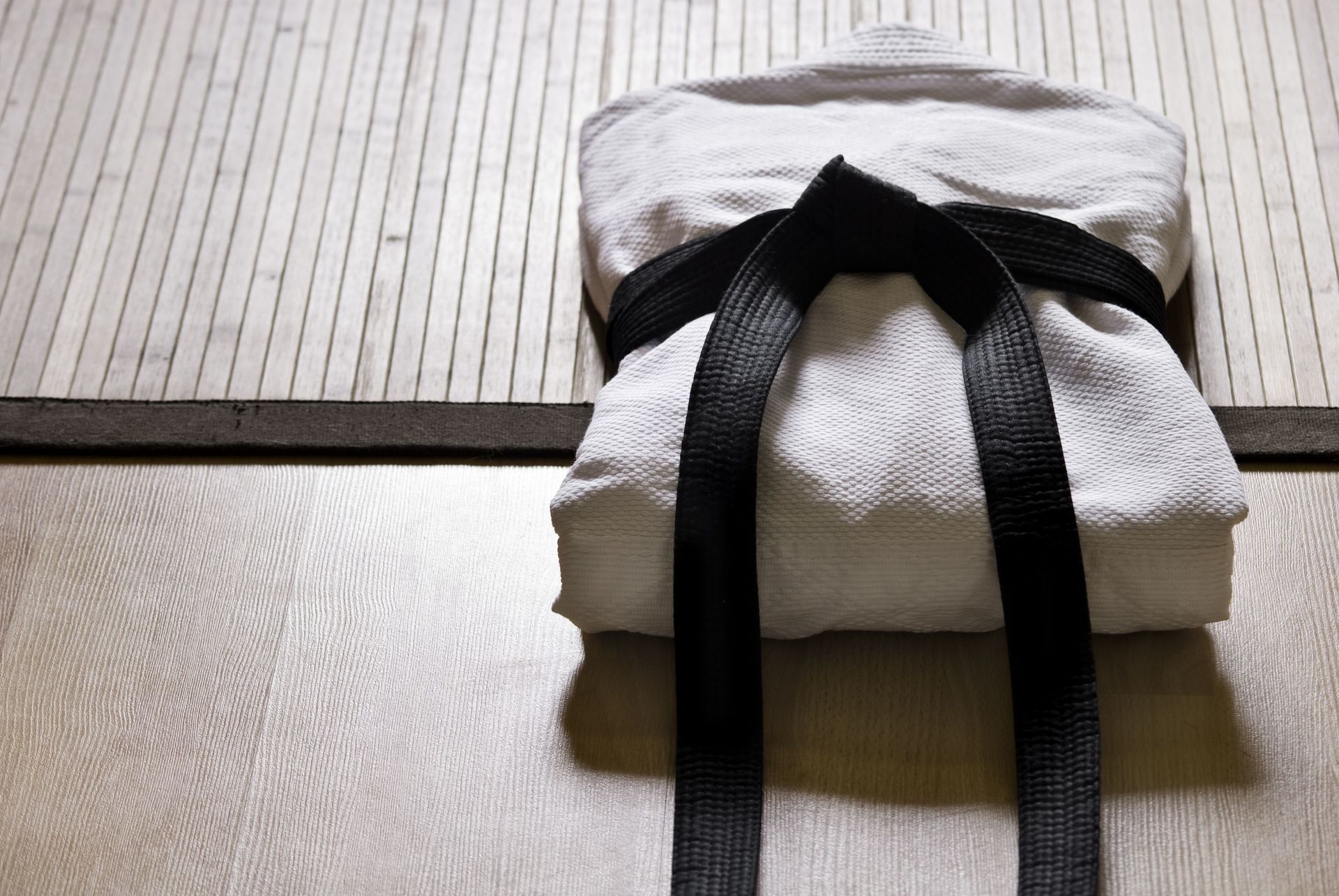
Place the uniform, belt, shoes, and water bottle together the night before. A small amount of preparation removes several obstacles at the time of day when everyone may already be tired or rushed.
3. Expect a period of adjustment
Your child may be excited, tired, resistant, or all three at once. Returning to school requires a great deal of physical and emotional energy. Acknowledge the feeling while calmly maintaining the plan: “I know you are tired. Getting back into our schedule is hard, and I am going to help you.”
4. Focus on showing up, not performing perfectly
The first victory is walking through the door. Children do not need to return with the same stamina, focus, or confidence they had before the break. Those qualities can be rebuilt through consistent practice.
After class, recognize the effort: “You were tired, but you went—and now you are back on track.” This helps children connect consistency with pride and accomplishment.
5. Let the instructors be part of your support team
Sometimes the hardest moment is getting from home to the dojo. Once children see their instructors and classmates and begin moving again, the connection often returns. If your child is having difficulty, tell us. Families do not have to rebuild the routine alone.
Progress, not perfection
Family routines do not need to be rigid or flawless to be valuable. A missed class or a difficult week does not erase a child’s progress. What matters is helping them return.
Every time children return after an interruption, they learn something important: losing momentum does not mean losing their progress. With patience, encouragement, and consistency, they can reconnect with their goals and continue moving forward.
Whether your family is returning after summer, a holiday, travel, illness, or simply a busy season, begin with one class and one manageable step.
Sources
- Selman, S. B., & Dilworth-Bart, J. E. (2024). Routines and child development: A systematic review. Journal of Family Theory & Review, 16(2), 272–328.
- Neal, D. T., Wood, W., Labrecque, J. S., & Lally, P. (2012). How do habits guide behavior? Perceived and actual triggers of habits in daily life. Journal of Experimental Social Psychology, 48(2), 492–498.
- American Academy of Pediatrics. Healthy sleep habits: How many hours does your child need?